

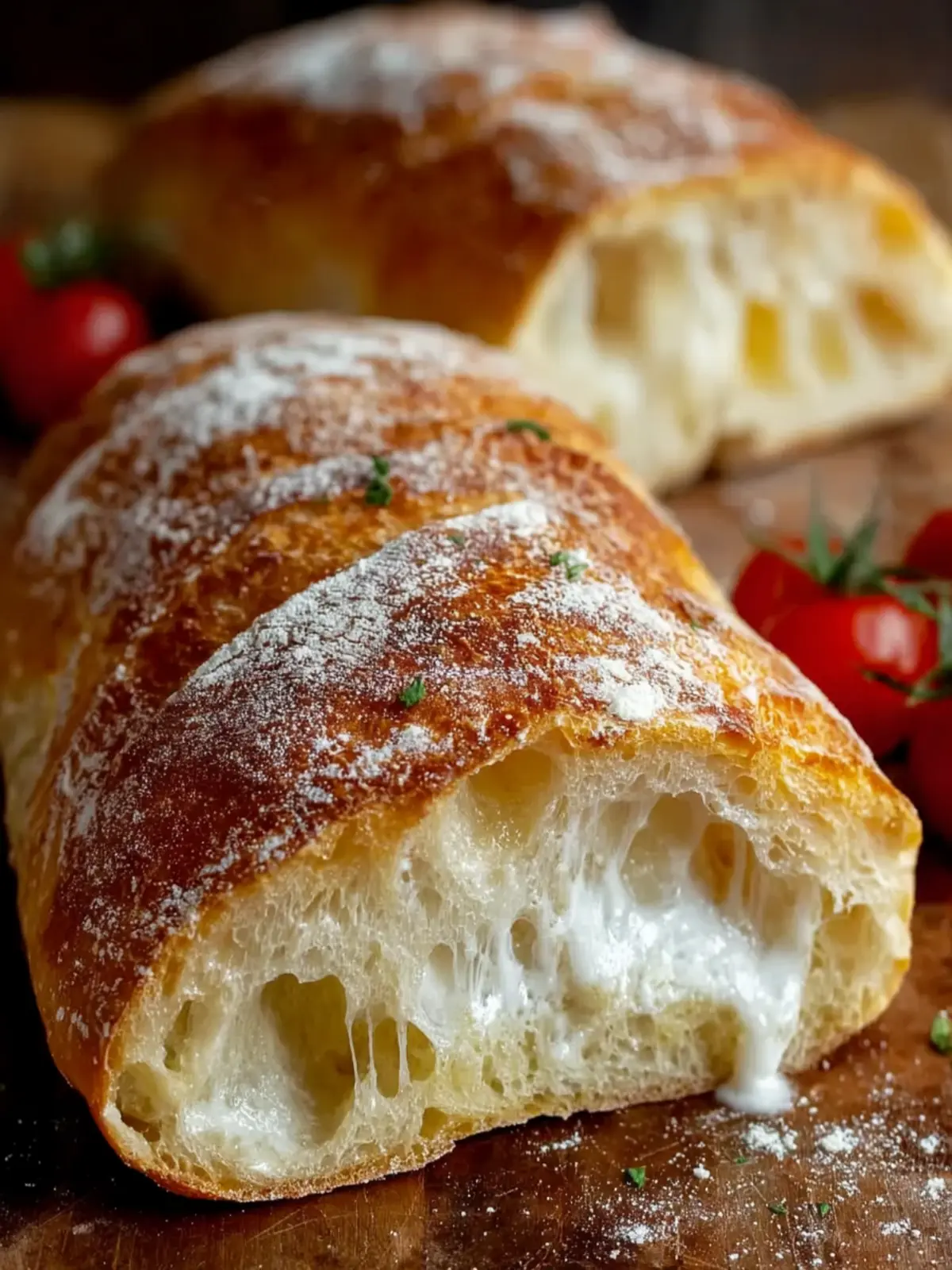
Introduction to Ciabatta Bread
There’s something undeniably magical about the aroma of freshly baked ciabatta bread wafting through your kitchen, transforming an ordinary day into a celebration of Italian culinary artistry. This rustic bread, known for its airy texture and delightful crusty exterior, invites home bakers into the fascinating world of artisanal bread-making. Originating from the Italian region of Veneto, ciabatta’s name translates to “slipper,” a nod to its unique shape, which resembles a soft, flat slipper.
What makes ciabatta bread a favorite among home bakers?
The allure of ciabatta lies in its simplicity and versatility. Many home bakers are drawn to the fact that this bread requires only a handful of basic ingredients, yet the end result is nothing short of extraordinary. The crust, crispy and golden-brown, beautifully complements the chewy, open crumb inside—perfect for sandwiches, toasting, or soaking up your favorite sauces.
Here are a few reasons why ciabatta has captured the hearts of many:
Ease of Preparation: Unlike some other breads that demand precise techniques, ciabatta is forgiving. A no-knead method is often used, allowing you to spend less time managing dough and more time enjoying the process.
Artisan Appeal: Crafting ciabatta at home gives you the satisfaction of creating something artisanal. The process allows for creativity, as you can experiment with added ingredients like herbs or olives to put your unique spin on the recipe.
Perfect for Every Occasion: Whether you’re hosting a casual gathering or wanting something special for dinner, ciabatta bread serves as an excellent companion. Slice it for bruschetta, tear it for dipping in olive oil, or simply enjoy it with a pat of butter.
Embarking on the journey of making your own ciabatta bread not only fills your kitchen with a delightful aroma, but it also fosters a deeper appreciation for the craft of baking. Get ready to roll up your sleeves and dive into this delicious adventure!
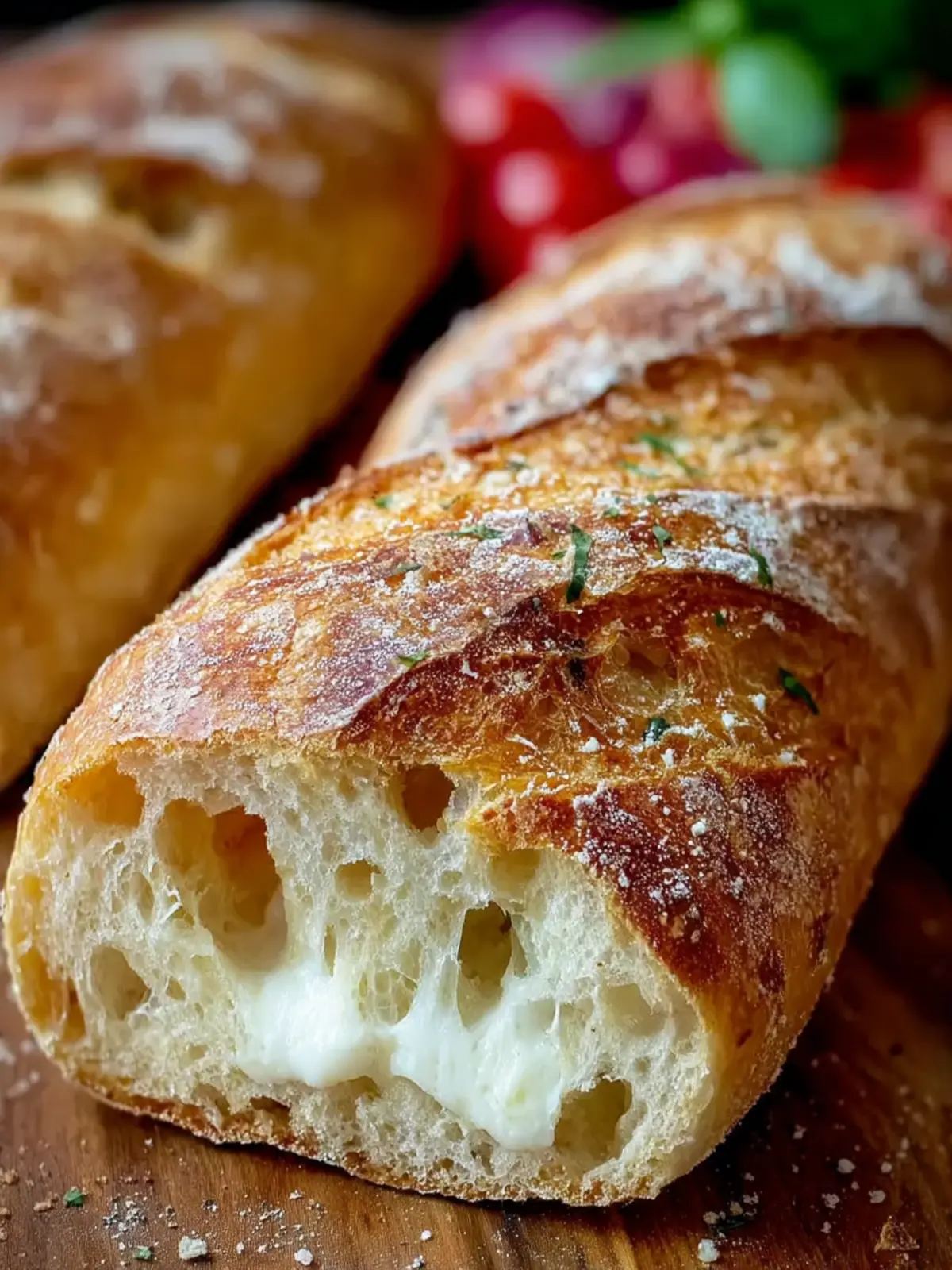
Key Ingredients for Ciabatta Bread
When you dive into the world of ciabatta bread, you’re not just baking; you’re embracing a rustic tradition steeped in Italian heritage. This beautiful, crusty loaf flourishes with a crisp exterior and a soft, airy interior, making it perfect for sandwiches or enjoyed fresh with a drizzle of olive oil.
Flour: The foundation of any great ciabatta bread is high-quality bread flour. This choice ensures a strong gluten structure, which contributes to that iconic chewy texture. If you’re feeling adventurous, you can blend in a bit of whole wheat flour for extra flavor.
Water: Hydration is key to achieving the perfect crumb. I like to use room temperature water to help activate the yeast effectively and promote better fermentation.
Yeast: I typically use active dry yeast for this recipe. It’s reliable and easy to work with, helping our dough rise beautifully.
Salt: A critical ingredient, salt enhances the flavor of the ciabatta bread and controls yeast activity. I prefer sea salt for its mild flavor.
Olive Oil: Just a splash adds richness and helps create that wonderfully textured crust. Using extra virgin olive oil will enhance the flavor profile as well.
With these simple yet powerful ingredients, you’re well on your way to baking your own delightful ciabatta bread.
Why You’ll Love This Ciabatta Bread
Baking ciabatta bread is a delightful journey that begins with the simple act of mixing flour, water, yeast, and salt, yet leads to such a rewarding outcome that you’ll want to try it over and over again. Imagine pulling a hot, crusty loaf from the oven, its aroma wafting through your kitchen like a warm hug.
What sets this ciabatta bread apart?
The Crust: It’s beautifully crisp and golden, thanks to the steam during the baking process. Each bite delivers a satisfying crunch that contrasts perfectly with the soft, airy interior.
The Texture: With its distinctive open crumb structure, this bread is a canvas for toppings. Pair it with olive oil for dipping or make a decadent sandwich; either way, you’ll savor every moment.
The Flavor: The long fermentation time enhances the taste, developing a slight tanginess that plain breads simply can’t match. This depth of flavor is what elevates this ciabatta bread to a whole new level.
Versatility: Whether you’re preparing a rustic bruschetta or simply enjoying a slice with butter, the possibilities are endless.
Every loaf tells a story, and once you experience the joy of homemade ciabatta bread, you might just find that it becomes a staple in your culinary repertoire.
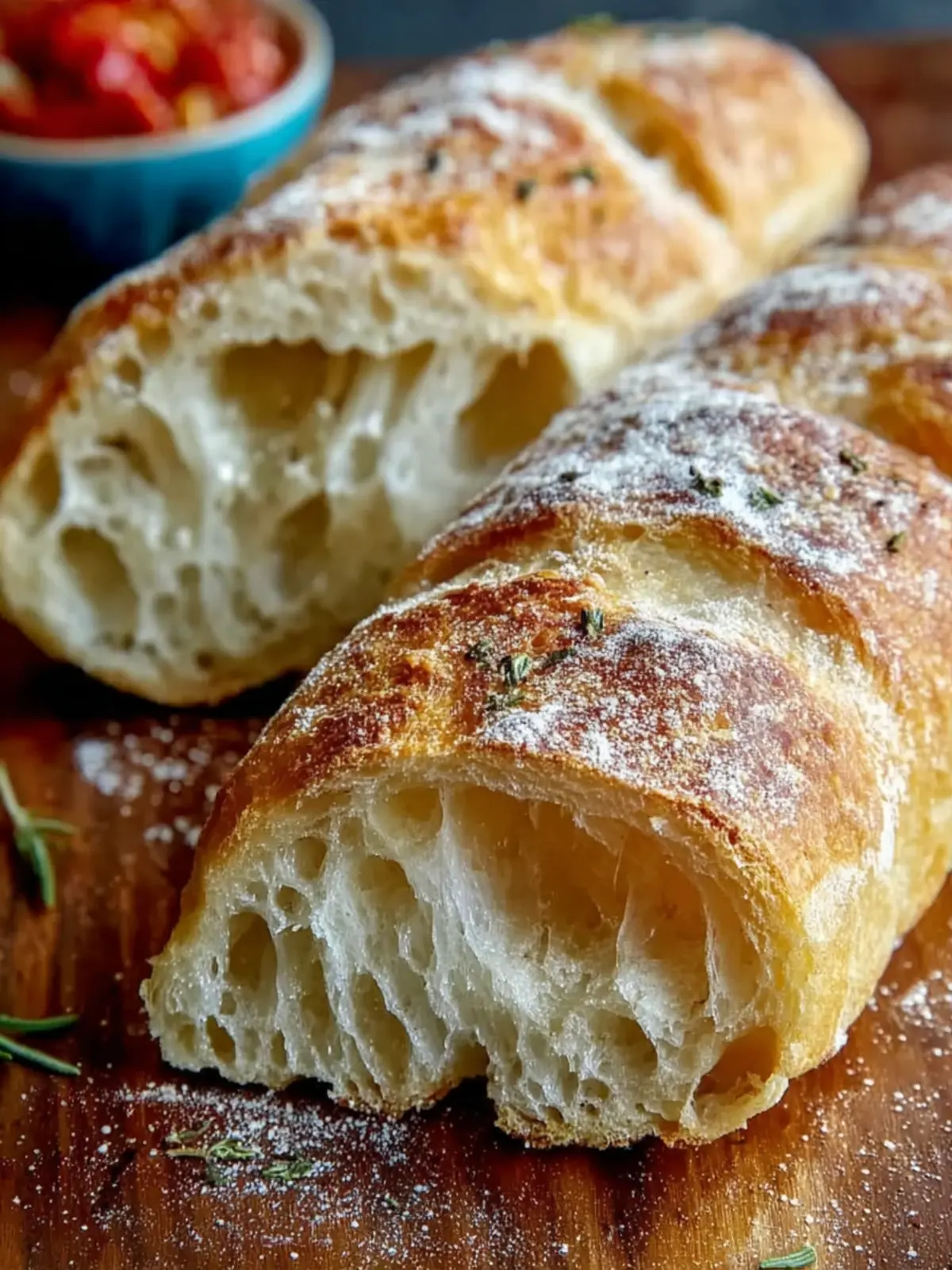
Variations of Ciabatta Bread
Exploring the world of ciabatta bread can be quite the adventure, especially when you consider the delightful variations that can arise from a classic recipe. Each twist not only enhances the flavor but also allows your creativity to shine through.
Flavor Twists
Add a burst of personality to your ciabatta bread with unique flavors. For a herbaceous note, try mixing in fresh rosemary or thyme into your dough. You can also fold in chopped olives or sun-dried tomatoes for a Mediterranean touch. If you’re a cheese lover, think about incorporating cubes of aged cheddar or a sprinkle of feta for an unexpected surprise in each bite. These additions bring not just flavor but also texture, turning your loaf into a true showstopper.
Different Shapes and Sizes
Don’t be afraid to play around with the shape of your ciabatta bread. While the classic rustic loaf is beloved, you can also dive into other forms. For instance, shaping the dough into small rolls creates perfect individual servings ideal for sandwiches or sliders. Alternatively, crafting a long, baguette-like shape can give your bread an elegant profile for a dinner gathering. Each variation offers a unique crust and crumb, ensuring that every loaf becomes a memorable part of your baking journey.
Whichever variation you choose, the world of ciabatta bread is your oyster—so knead, shape, and flavor your way to delight!
Cooking Tips and Notes for Ciabatta Bread
Crafting a perfect ciabatta bread can transform any meal into a delightful experience. My first attempt was a rollercoaster of triumphs and challenges, similar to creating a masterpiece in the kitchen. Here are some essential tips to enhance your baking journey:
Hydration is Key
One of the hallmarks of ciabatta bread is its high hydration dough. Don’t be alarmed if your dough feels stickier than others you’ve handled. This moisture gives ciabatta its signature airy crumb and open structure. Keep your hands dusted with flour to help manage the stickiness while shaping.
Patience Pays Off
Give your dough time to rise—this isn’t a rushed process! Allow for long fermentations and bulk rises. The longer the dough rests, the better the flavor and texture.
Use a Pizza Stone or Steel
For that lovely crust, consider baking your ciabatta on a preheated pizza stone or steel. This helps to create steam in the oven, which is essential for achieving that golden crust.
Experiment with Flour
While all-purpose flour works well, using bread flour can yield a chewier texture, enhancing the overall bite of your ciabatta bread. Happy baking!
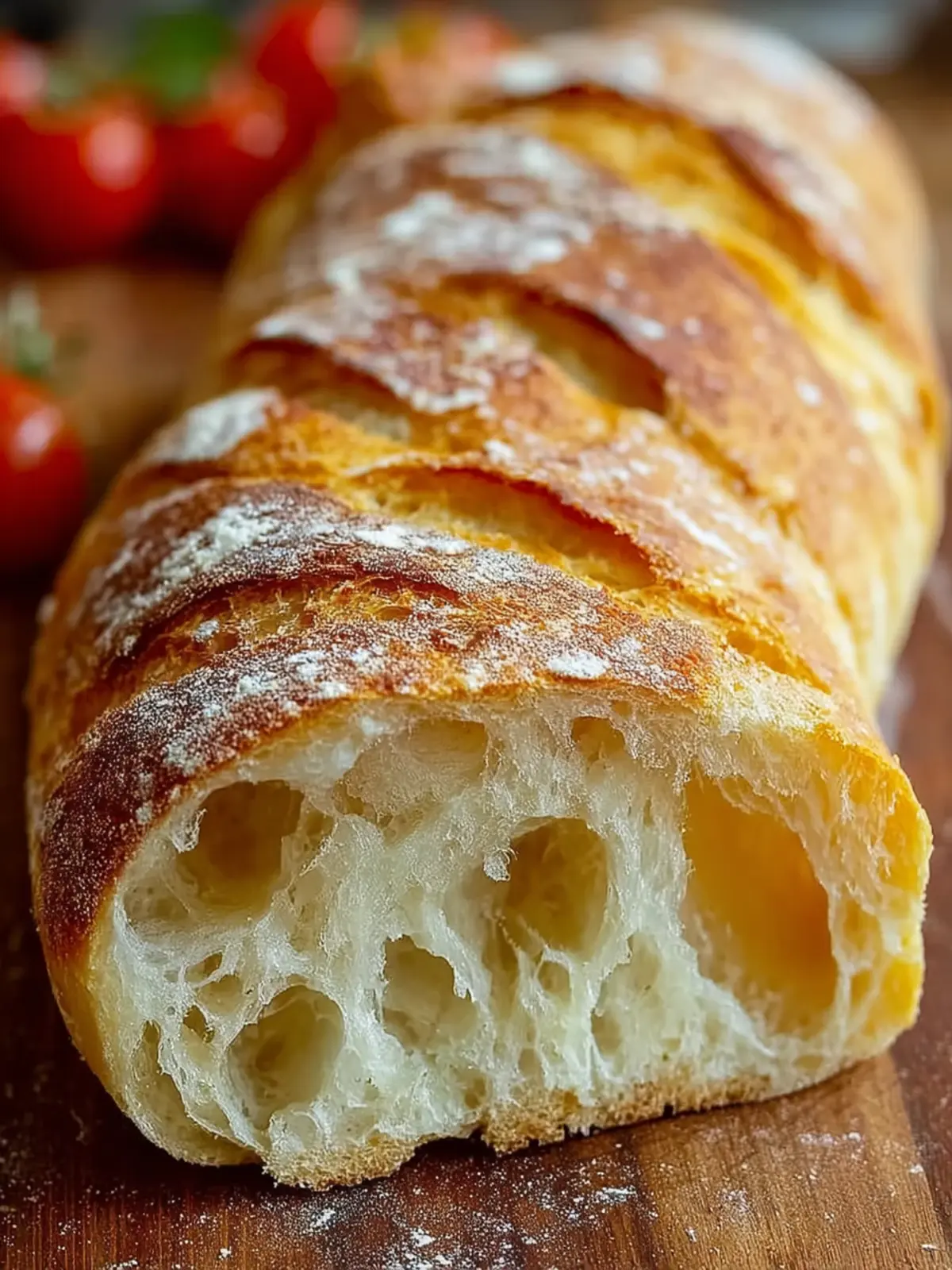
Serving Suggestions for Ciabatta Bread
Creating your own ciabatta bread at home is just the beginning of a delicious adventure. This rustic Italian bread, with its airy texture and chewy crust, opens up a world of serving possibilities that can elevate any meal.
Perfect pairings for homemade ciabatta
When enjoying homemade ciabatta bread, you might want to complement its unique flavor with something equally delightful. Consider pairing it with:
- Olive oil and balsamic vinegar: Drizzle a high-quality extra virgin olive oil and a splash of balsamic for a classic Italian starter.
- Cheese and charcuterie: A board filled with aged cheeses and cured meats can create a fulfilling appetizer. Think prosciutto or salami paired with sharp cheddar.
- Savory soups: This bread is perfect for dipping! Serve it alongside a hearty tomato basil or minestrone soup for a comforting meal.
Best spreads, dips, and toppings
The versatility of ciabatta bread truly shines when it comes to spreads and toppings. Here are some suggestions to ignite your creativity:
- Herbed butter: Whip up a garlic and herb butter to slather on warm slices.
- Tapenade: An olive tapenade provides a burst of flavor, perfect for enhancing the bread’s crusty exterior.
- Avocado: Smash a ripe avocado with a pinch of salt and pepper for a trendy, nutritious toast option.
Embrace these combinations, and let your creativity guide you in serving your homemade ciabatta bread.
Time Breakdown for Making Ciabatta Bread
Crafting ciabatta bread is an inviting journey that begins with a dash of time and a sprinkle of patience. Each phase brings you closer to that perfect crust and airy interior that this Italian classic is known for.
Preparation Time
The initial prep for ciabatta bread takes about 15 minutes, giving you just enough time to gather your ingredients and mix them to form a wet dough.
Rising Time
You’ll need to let the dough rise for approximately 1 to 2 hours. This is when the magic happens, as the yeast works to create those beautiful bubbles, resulting in a light texture.
Baking Time
Once risen, the dough will require around 25 to 30 minutes in the oven. This step is essential for developing the bread’s golden crust and delicious aroma.
Total Time
In total, you’re looking at about 2 to 3 hours from start to finish. While this may seem lengthy, much of the time is hands-off, allowing you to enjoy the anticipation of fresh ciabatta bread coming out of the oven.
Nutritional Facts for Ciabatta Bread
When you think of ciabatta bread, it’s hard not to imagine the delightful crust and airy interior that make it a favorite for sandwiches and dipping. This rustic Italian bread has some distinct nutritional qualities that can complement your meals. Here’s what you need to know about its nutritional profile:
Calories
In a single slice of ciabatta bread, you’ll typically find around 120-150 calories. Perfect for satisfying your hunger without going overboard!
Carbohydrates
Each slice packs in about 25-30 grams of carbohydrates, providing a great source of energy for your busy day.
Protein
Ciabatta isn’t exactly a protein powerhouse, containing about 4-6 grams per slice. Pair it with your favorite toppings to boost nutritional value!
Sodium
On average, there’s roughly 200 mg of sodium per slice. This is something to keep in mind if you’re watching your salt intake.
FAQs about Ciabatta Bread
When embarking on your journey to bake ciabatta bread, it’s natural to have questions. This delightful Italian bread, known for its unique crust and airy interior, can seem intimidating at first. However, once you get the hang of it, it’s a joy to make! Here are some frequently asked questions that might help you along the way.
How can I achieve a crusty exterior?
To craft that signature crusty exterior on your ciabatta bread, several factors come into play:
- Steam: Creating steam in your oven is crucial. You can place a pan filled with hot water on the bottom shelf while the bread bakes. This moisture helps generate a beautiful crust.
- High Baking Temperature: Start your bread at a high temperature, around 450°F. This helps create that initial burst of heat necessary for crust development.
- Leave It in the Oven: Even when your ciabatta bread looks golden brown, leaving it in for a few extra minutes can aid in achieving a more defined crust.
Can I freeze ciabatta bread?
Absolutely! Freezing your ciabatta bread is a fantastic way to preserve its deliciousness. Allow the bread to cool completely, then wrap it tightly in plastic wrap and aluminum foil to minimize freezer burn. When you’re ready to enjoy it, simply thaw at room temperature or pop it in the oven to re-crisp the crust.
What is the best way to store ciabatta bread?
To maintain the freshness of your ciabatta bread, store it at room temperature in a paper bag rather than plastic. This helps keep the crust from becoming soggy while allowing some air circulation. If you’ve cut into the loaf, be sure to store the cut side down to keep it as fresh as possible. If you expect to take a while finishing the loaf, consider freezing it for later!
Happy baking!
Conclusion on Ciabatta Bread
Creating ciabatta bread at home is not just about following a recipe; it’s an enchanting experience that connects you to the rich traditions of Italian baking. As you mix, knead, and wait for the dough to rise, you’ll discover the true joy of crafting something deliciously authentic. Remember, don’t rush the process; patience is key. Each loaf, with its airy texture and crisp crust, tells a story of the love and care invested in it. So, gather your ingredients, roll up your sleeves, and embark on this baking adventure. Your homemade ciabatta bread will be a delightful addition to any meal!
Print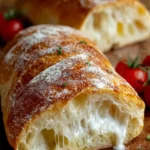
Biga Bread
- Total Time: 12 hours 25 minutes
- Yield: 2 loaves 1x
- Diet: Vegetarian
Description
A delicious bread made using biga for enhanced flavor and texture.
Ingredients
- 400g bread flour
- 300ml water
- 1/2 tsp instant yeast
- 1 1/2 tsp salt
- 150g bread flour
- 100ml water
- 1/8 tsp instant yeast
Instructions
- Mix the biga ingredients in a bowl, cover, and let it sit at room temperature for 12–18 hours.
- In a large bowl or mixer, combine the biga with the remaining flour, water, yeast, and salt. Mix until sticky and elastic.
- Transfer dough to a greased bowl and let it rise for 90 minutes, giving it a stretch and fold every 30 minutes.
- On a floured surface, shape the dough into a rectangle and divide into two slipper-shaped loaves.
- Let loaves rest covered for 45 minutes until slightly puffed.
- Preheat oven to 450°F (230°C) with a steam tray inside.
- Bake loaves for 20–25 minutes until golden and hollow-sounding when tapped. Cool before slicing.
Notes
- Ensure to maintain proper hydration for the dough to achieve the desired texture.
- You can use a kitchen scale for precise measurements.
- Prep Time: 12 hours
- Cook Time: 25 minutes
- Category: Breads
- Method: Baking
- Cuisine: Italian
Nutrition
- Serving Size: 1 slice
- Calories: 150
- Sugar: 0g
- Sodium: 310mg
- Fat: 1g
- Saturated Fat: 0g
- Unsaturated Fat: 0g
- Trans Fat: 0g
- Carbohydrates: 32g
- Fiber: 1g
- Protein: 5g
- Cholesterol: 0mg