

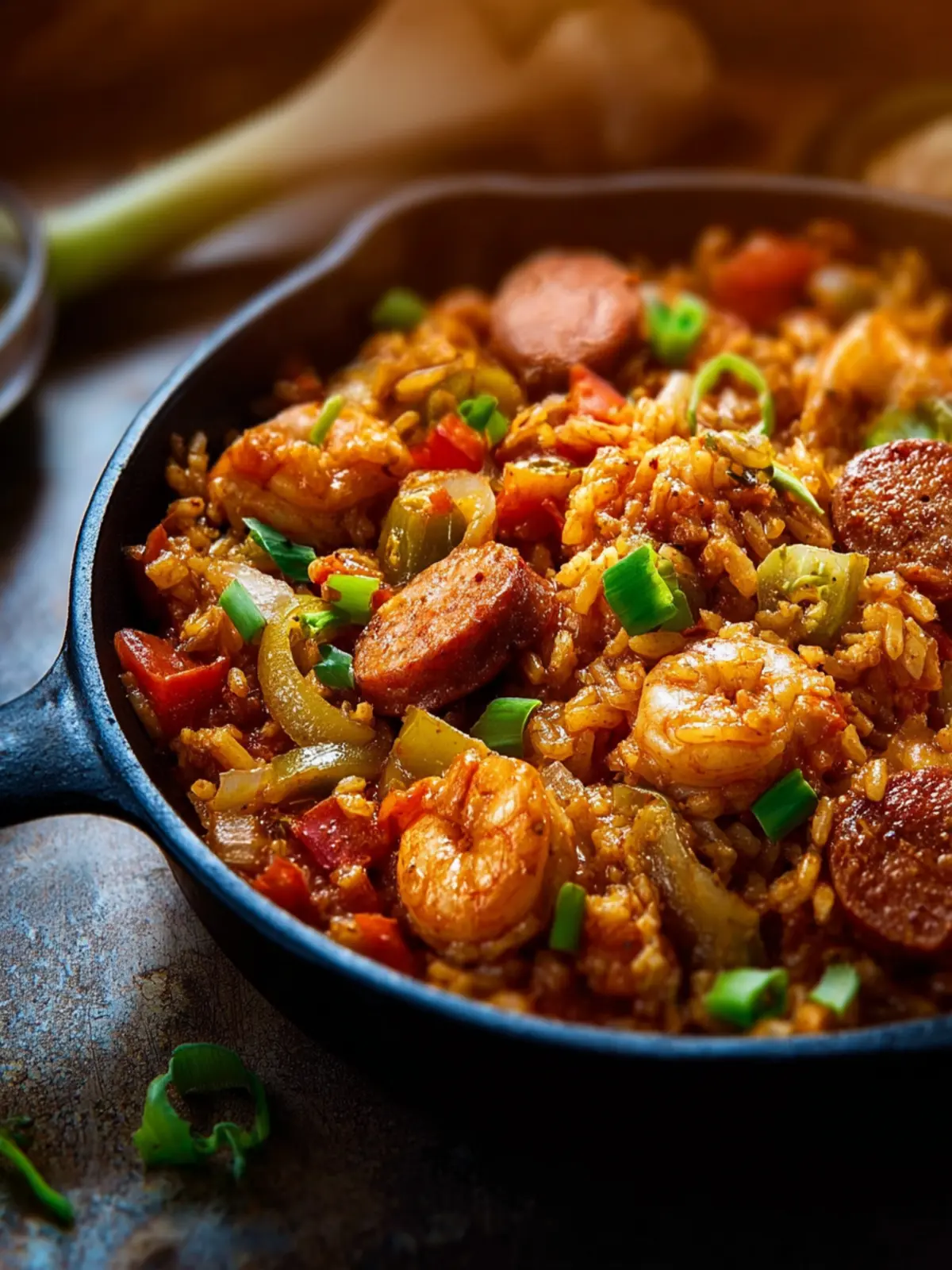
Introduction to Jambalaya
Jambalaya is more than just a dish; it’s a celebration of flavors that brings people together. Originating from the vibrant bayous of Louisiana, jambalaya intertwines multiple cultures—Spanish, French, and African—creating a delightful communal experience that echoes the warmth of a home-cooked meal shared with friends and family. The very name “jambalaya” conjures images of bustling kitchens, lively gathering spaces, and, of course, the tantalizing aromas wafting through the air as this dish simmers away.
What makes jambalaya so special? It’s all about the ingredients and the memories they create. A classic jambalaya typically includes rice, a variety of meats, and an array of colorful vegetables, each playing a crucial role in crafting the savory and hearty flavor profile that this dish is celebrated for. Think of shrimp, smoky and succulent sausage, and tender chicken mingling with the bold essence of spices like paprika, cayenne, and thyme.
Versatility: One of the most enchanting aspects of jambalaya is its adaptability. You can customize it with whatever ingredients you have on hand—be it fish, vegetables, or even a meatless version. This flexibility means that your jambalaya can be a unique expression of your culinary creativity.
Rich Heritage: Jambalaya’s roots stretch deep into Louisiana’s culinary landscape. It reflects the history and traditions of the people who inhabit this region, making each bite a connection to the past. Cooking jambalaya is an invitation to share not just a meal but stories, laughter, and a sense of belonging.
Simple Yet Satisfying: On a busy weeknight or a lazy Sunday, jambalaya fits right in as a go-to dish that fills your home with warmth and satisfaction. The one-pot preparation makes it ideal for busy lifestyles, ensuring that you can enjoy a delicious homemade meal without the fuss.
So, whether you’re hosting a gathering or just looking for a warm dish to wrap up your day, jambalaya could be the heart of your table, reflecting both love and legacy in every spoonful. It’s an invitation to slow down, savor, and celebrate the flavors of a culture rich in history and heart.
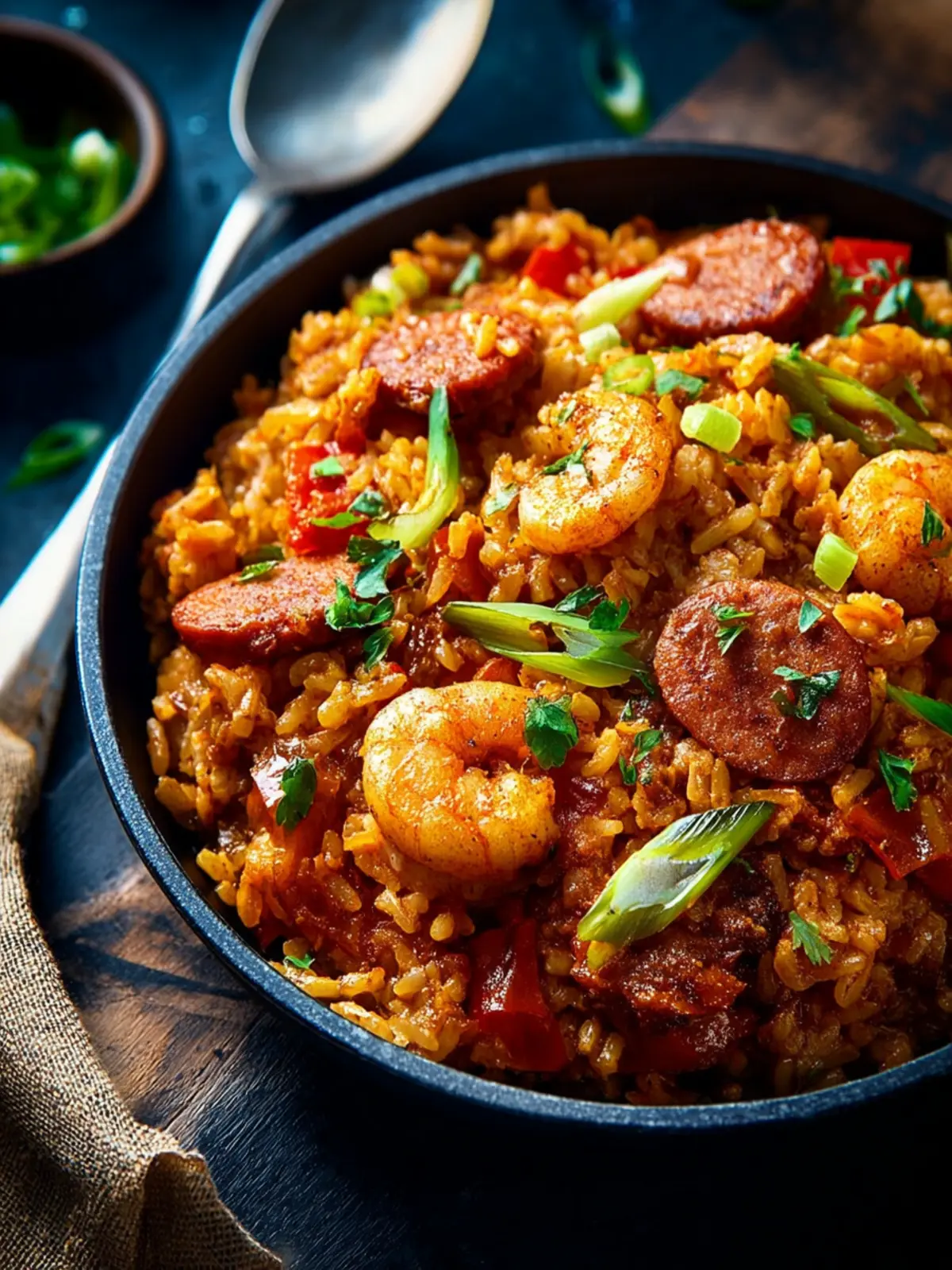
Key Ingredients for Jambalaya
The heart of any jambalaya lies in its incredible blend of ingredients that come together to create a symphony of flavors. Drafting a culinary masterpiece starts with understanding what makes this dish truly sing.
Sausage: Andouille sausage is my go-to for added depth and spice in jambalaya. It infuses the dish with a smoky flavor that elevates every bite. If you can’t find Andouille, any smoked sausage will do just fine!
Chicken: Using boneless, skinless chicken thighs keeps your jambalaya juicy and tender. Searing the chicken before mixing it in ensures it has a flavorful crust that contrasts beautifully with the rice.
Seafood: Shrimp adds a lovely sweetness and a bit of brininess to the dish. I recommend adding them towards the end of the cooking process so they remain plump and tender.
Vegetables: The classic trinity of onions, celery, and bell peppers forms the aromatic base of your jambalaya. Sautéing these together creates a savory foundation that brings the dish to life.
Spices and Broth: A combination of cayenne pepper, paprika, and thyme creates that signature kick. Using chicken broth instead of water adds an extra layer of flavor, ensuring every grain of rice captures the essence of jambalaya.
Cooking is all about balance, and these ingredients are your building blocks!
Why You’ll Love This Jambalaya
A warm bowl of jambalaya is like a hug on a chilly day, with its vibrant colors and rich aromas drawing you in. This dish tells a story of Louisiana’s Creole heritage, blending diverse ingredients that reflect the region’s eclectic culture. Imagine the sound of sizzling sausage, the sweetness of bell peppers, and the earthy notes of spices melding together as they dance in a pot. Each bite is not just a taste but a journey through tradition, evoking memories of family gatherings and joyful celebrations.
A Flavorful Medley
What makes jambalaya irresistible is its flavorful medley. Every ingredient plays a crucial role—smoky Andouille sausage, succulent chicken, and fresh shrimp come together, creating layers of flavor that tantalize the palate. Add to that the foundation of onions, celery, and bell peppers, often called the “holy trinity” of Creole cooking, and you have a dish that is both hearty and satisfying.
Customizable and Convenient
One of the best features of this jambalaya recipe is its versatility. You can easily adapt it to include your favorite proteins or seasonal vegetables. Plus, it’s a one-pot meal that saves time on cleanup, making it perfect for busy weeknights or casual gatherings with friends.
Nourishing and Filling
With its balanced mix of proteins, vegetables, and spices, this jambalaya is nourishing and filling. Whether served hot on a cold day or as leftovers the next day, it continues to impress with its complex flavors that only get better with time. You’ll find that each spoonful not only satisfies your hunger but also offers comfort and warmth, allowing you to savor the moment, bite by bite.
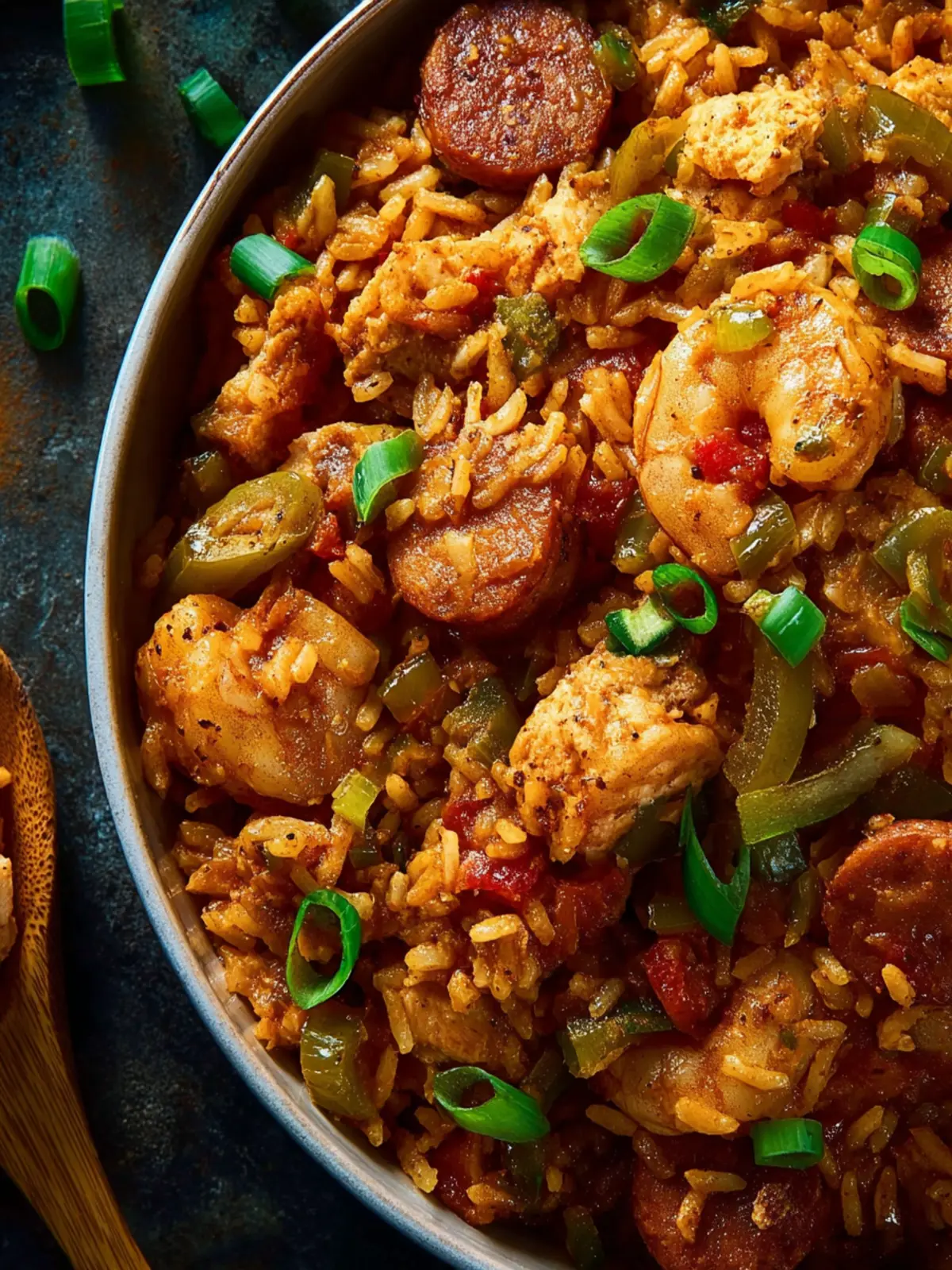
Tips for Making Perfect Jambalaya
Crafting the ideal jambalaya goes beyond just following a recipe; it’s about weaving flavors and cooking techniques into a harmonious dish. Here are some tips to ensure your jambalaya stands out every time.
Embrace the Holy Trinity
The classic combination of onion, bell pepper, and celery—known as the holy trinity—forms a robust foundation for your jambalaya. Take your time to sauté these vegetables until they’re soft and fragrant; this layering of flavors will elevate your dish!
Choose Your Proteins Wisely
Variety is key! A mix of andouille sausage, chicken, and shrimp not only enhances the flavor but also provides a delightful textural contrast. Be sure to sear the meats before adding the rice and liquids. This browning process adds depth and enhances the overall experience.
Rice Matters
For the best consistency, opt for long-grain rice, such as basmati or jasmine, as they will remain fluffy rather than sticky. If you’re feeling adventurous, a bit of risotto rice can add creaminess!
Let it Rest
Once you’ve cooked your jambalaya, let it sit covered for about 10 minutes before serving. This resting period allows the flavors to meld beautifully, resulting in a perfect bowl for you and your guests.
Remember, cooking is an art! Don’t hesitate to adjust seasonings and ingredients based on your taste preferences. Enjoy the process as much as the delicious results!
Time Details for Jambalaya
When it comes to creating that perfect pot of jambalaya, knowing your timing is as crucial as the ingredients themselves. Each moment spent in preparation and cooking contributes to the rich, layered flavors reminiscent of a warm New Orleans evening. Here’s how to break it down:
Preparation Time
Setting the stage is essential, and for your jambalaya, expect to spend about 15-20 minutes gathering and chopping your ingredients. This includes dicing vegetables, slicing your proteins, and measuring out spices. Having everything prepped will streamline the cooking process, making it enjoyable.
Cooking Time
Once you’re ready to start cooking, you’ll be in the kitchen for about 45 minutes to an hour. This timing allows for sautéing your ingredients, simmering the rice, and letting those flavors meld together beautifully. The slow cooking is where the magic happens!
Total Time
In total, you’re looking at around 1-1.5 hours from start to finish for your jambalaya. That’s a small investment of time for a dish that brings so much comfort and joy. Gather your loved ones, and get ready for a flavorful journey!
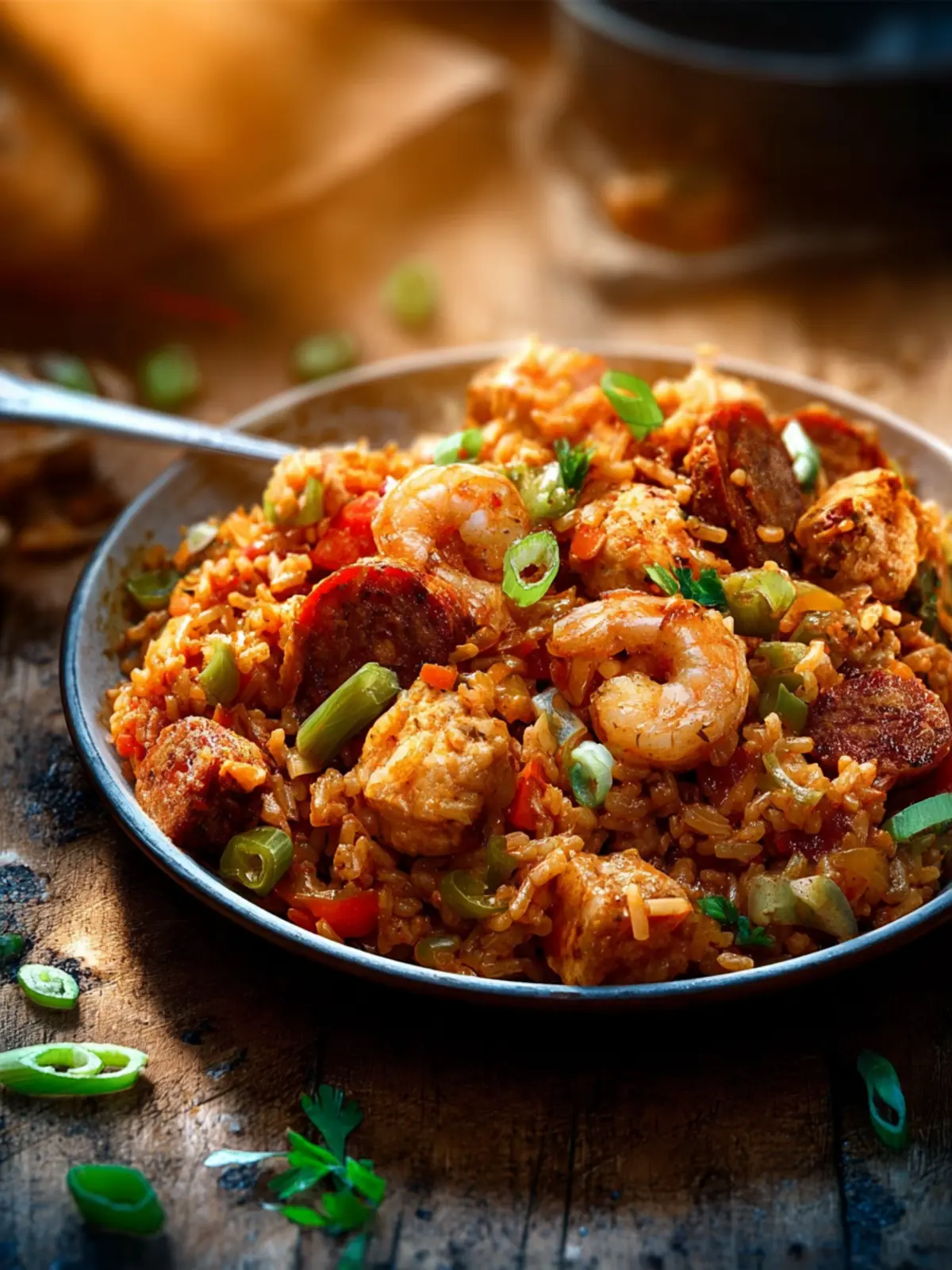
Nutritional Information for Jambalaya
Exploring the nutritional information for jambalaya reveals just how hearty and satisfying this dish can be. It’s a delightful blend of ingredients that not only tantalizes the taste buds but also provides significant nutritional benefits.
Calories
A typical serving of jambalaya contains around 350-450 calories, depending on the quantity and specific ingredients used. This makes it a filling option for a lunch or dinner, without going overboard on calories.
Protein
You’ll find that jambalaya is an excellent source of protein, boasting about 20-30 grams per serving. The combination of chicken, seafood, and sausage provides a rich profile of amino acids, making it ideal for muscle repair and overall health.
Sodium
One thing to note is the sodium content in jambalaya, which can range from 800 to 1200 mg per serving. This can stem from the use of broth, sausages, and seasonings. For those watching their sodium intake, consider using low-sodium broth and seasoning it to your taste.
FAQs about Jambalaya
Exploring the world of jambalaya not only satisfies your taste buds but also introduces you to the rich culinary traditions of the southern United States. This delightful dish weaves together flavors and traditions, making each bite a journey through history.
What is the origin of jambalaya?
Jambalaya hails primarily from Louisiana, a state steeped in Creole and Cajun culture. Its roots trace back to Spanish and French cooking, with early settlers adapting a Spanish dish called paella, using local ingredients. Over time, jambalaya evolved into a unique blend of rice, vegetables, and proteins that reflect the vibrant, multicultural tapestry of New Orleans. Today, whether it’s served at a festival or a family gathering, jambalaya remains a beloved symbol of southern hospitality and community.
Can I customize the proteins in jambalaya?
Absolutely! One of the best aspects of jambalaya is its versatility. You can easily customize the proteins to match your personal taste or dietary needs. Common options include:
- Chicken: A classic choice that absorbs the flavors beautifully.
- Shrimp: Fresh or frozen, shrimp add a wonderful seafood touch.
- Andouille sausage: For a spicier kick.
- Vegetarian options: Consider chickpeas or tofu for a plant-based twist.
Feel free to mix and match to create your perfect bowl!
How do I prevent my rice from being mushy?
Achieving perfectly cooked rice in jambalaya can be a little tricky, but here are some helpful tips to prevent it from turning mushy:
- Use long-grain rice: Varieties like basmati or jasmine work well and maintain their shape.
- Rinse the rice: Before cooking, rinsing removes excess starch, helping to keep the grains separate.
- Follow the water ratio: Ensure you’re using the right amount of liquid according to your rice type. Generally, a 1:1.5 rice-to-water ratio works great for long-grain.
- Avoid overcooking: Keep an eye on the rice, and remove it from heat once it’s tender but still firm.
Crafting the perfect jambalaya takes practice, but with these tips, you’re well on your way to creating a delicious, authentic dish!
Conclusion on Jambalaya
In the world of comfort food, jambalaya holds a special place, combining rich flavors and a hearty mix of ingredients into one delightful dish. This recipe not only brings the vibrant spirit of Louisiana cuisine to your kitchen but also invites you to experiment with various proteins and vegetables, making each batch uniquely yours. As you gather around the table, sharing stories and laughter over your homemade jambalaya, you’ll find that it’s more than just a meal—it’s a celebration of togetherness. So, grab your ingredients, embrace the cooking adventure, and savor every last bite of your delicious creation.
Print
Chicken and Sausage Jambalaya
- Total Time: 45 minutes
- Yield: 4 servings 1x
- Diet: gluten-free
Description
A hearty and flavorful jambalaya featuring chicken, sausage, and shrimp, seasoned with smoked paprika and fresh vegetables.
Ingredients
- 1 tablespoon olive oil
- 1 lb chicken breast or thighs, cut into bite-sized pieces
- 8–12 ounces chicken andouille sausage, sliced into ¼ inch thick rounds
- 8–16 ounces large raw shrimp (peeled and deveined)
- 1 large onion, diced
- 4–6 cloves garlic, roughly chopped
- 3 ribs celery, sliced
- 1 red bell pepper, diced
- 1 green bell pepper, diced
- 1/2 a jalapeno, finely chopped
- 1 1/2 cups extra long-grain white rice (or use basmati or jasmine)
- 2 heaping teaspoons smoked paprika
- 1 teaspoon dry thyme
- 1 teaspoon dry ground sage or oregano
- ½ teaspoon ground mustard powder
- 2 bay leaves
- 14-ounce can of crushed tomatoes
- 3–4 cups chicken broth (or shellfish broth)
- 1 teaspoon salt, more to taste
- 1 teaspoon black pepper
- Garnish: green onions and hot sauce
Instructions
- Heat olive oil in a large 12-inch skillet over medium-high heat.
- Add the chicken pieces and season with salt and pepper. Brown it, but no need to cook it through, lowering the heat if necessary. Scoop this onto a large plate.
- To the same pan, add the sausage, browning both sides, then place it with the chicken.
- Add the shrimp and quickly brown both sides, giving it some color. Place it with the sausage and chicken.
- To the same pan (wipe it out if you want), add a little more olive oil. Add the onions and garlic and saute over medium-high heat until fragrant and tender.
- Lower the heat to medium, add the celery, bell peppers, and jalapeno, and stir until just softened.
- Add the rice, smoked paprika, thyme, sage or oregano, mustard powder, bay leaves, and give a good stir for one minute.
- Stir in the crushed tomatoes and 3 cups of the chicken broth, then season with salt and pepper.
- Add the chicken, sausage, and any optional veggies. Wait to add the shrimp.
- Bring to a simmer, cover, and cook over medium-low heat for 25-30 minutes, until the rice is perfectly tender. Stir every 7 minutes or so to prevent burning, adding more broth as needed.
- When the rice is almost done, nestle in the seared shrimp. Continue cooking, covered, until the shrimp is cooked through and the rice is tender.
- Adjust salt and pepper to taste and garnish with green onions and hot sauce.
Notes
- Alternatively, use shellfish broth for enhanced flavor.
- Adjust the heat by adding more or less jalapeno.
- Prep Time: 15 minutes
- Cook Time: 30 minutes
- Category: Main Course
- Method: Stovetop
- Cuisine: Cajun
Nutrition
- Serving Size: 1 bowl
- Calories: 570
- Sugar: 3g
- Sodium: 1200mg
- Fat: 20g
- Saturated Fat: 5g
- Unsaturated Fat: 10g
- Trans Fat: 0g
- Carbohydrates: 63g
- Fiber: 3g
- Protein: 35g
- Cholesterol: 150mg